
Beyond the Brawn: The Elite Training That Creates the Modern Executive Protection Specialist
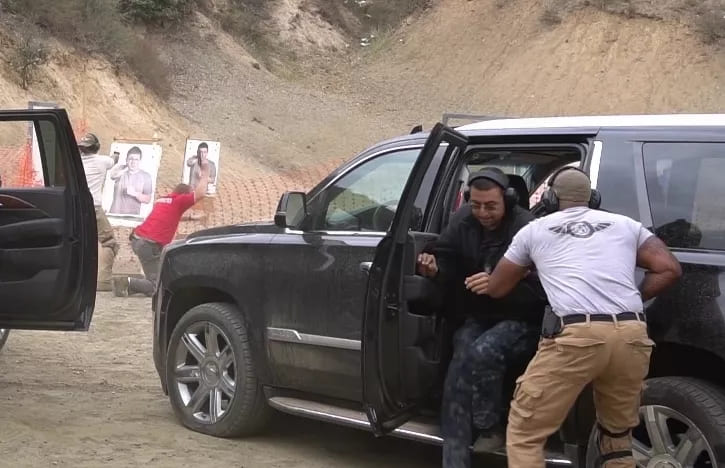
The world’s most successful executives, public figures, and high-net-worth families no longer hire traditional “bodyguards.” The company selects Executive Protection (EP) Specialists who possess training that combines physical defense skills with intelligence gathering abilities and digital security expertise and successful adaptation to corporate or personal environments.
Security agencies now use their EP training programs to develop security agents who will actively manage risks while maintaining a low profile. The following guide presents the essential training pillars which establish the current standards for high-ranking protection experts.
—
### Pillar 1: 🧠 Protective Intelligence & Digital Defense (The Proactive Edge)
The main security threats which will occur in 2026 have their beginnings on the internet. The current training system focuses on Protective Intelligence (PI) which enables students to detect and stop threats before they develop into physical attacks.
The training program teaches agents to protect the principal’s digital presence by eliminating all visible personally identifiable information and home address details from data broker websites. The protection of personal data stands as a critical matter because home floor plans and personal information of up to 88% of executives have become accessible through online exposure.
The EP specialist needs training to monitor public sources and social media and dark web content for detecting protest coordination and attack planning which targets their principal or their principal’s company.
The foundation of advance work exists through Risk & Vulnerability Assessments. Agents receive training to perform detailed site inspections and route exploration which helps them discover both present threats and potential vulnerabilities which enemies might use against them.
### Pillar 2: 🚗 Technical and Medical Mastery (The Core Response Skills)
Physical and medical skills function as the essential protection which intelligence cannot replace. The most effective training method combines high-pressure simulation exercises which help students develop dependable automatic responses.
| Skill Focus | Why It Matters | Essential Training Component |
| :— | :— | :— |
The practice of Protective Driving stands as the most dangerous activity which principals face during their vehicle travels. The training includes high-speed defensive driving and anti-ambush techniques and motorcade operations which students must execute while under stress. |
The EP agent functions as the primary medical defense against severe traumatic injuries according to TCCC/TECC protocols. The medical professional needs to demonstrate expertise in three essential medical procedures which include CPR administration and hemorrhage management and penetrative wound treatment. |
The ability to safely extract a client from a crowd or confrontation makes up the Close Quarters Protection skill. The defensive approach should concentrate on protecting people while using extraction methods and peaceful conflict resolution instead of fighting back. |
### Pillar 3: 💼 Soft Skills & Corporate Integration (The Seamless Presence)
Security systems for corporate executives need to protect their work activities instead of creating obstacles for their daily operations. Elite EP training requires agents to develop soft skills which enable them to merge with their surroundings.
The agents need to establish clear and direct communication with the executive and their administrative personnel and family members and security personnel from other teams. The team members need to function as diplomats who will handle small disputes by finding peaceful solutions which prevent both parties from becoming embarrassed.
The most important factor in a corporate environment requires absolute discretion and complete confidentiality. The specialist gains access to confidential business data which organizations share with him. The training program teaches staff members to preserve complete confidentiality while building trust relationships.
The training at EP focuses on developing students’ ability to maintain **situational awareness** through environmental assessment yet they avoid displaying paranoid behavior. The principal needs to feel secure and comfortable which makes this step essential.
—
### Choosing a Top-Ranking EP Program
You should evaluate training programs by ignoring their promotional materials to assess these essential elements.
- The instructors who teach at the school have they worked as former U.S. Secret Service agents and Tier-1 military personnel and protective service directors who prove their experience through official records?
- The training program should use active learning methods through scenario-based training instead of traditional lectures. The training program includes realistic scenarios which require trainees to perform urgent decisions when they face dangerous situations. The development of authentic competency occurs at this stage.
- The value of certification programs should be evaluated through the examination of two specific credentials which include the Certified Protection Specialist (CPS) and state-specific licensing programs such as the VA DCJS PPS. These accreditations indicate that the organization follows all industry standards at a high level.
The EP specialist functions as an active protective measure instead of serving as a defensive barrier. Your demand for training that teaches intelligence and discretion and technical skills will create a protection detail which functions as a strategic business asset that protects safety and reputation and ensures business operations continue without interruption.
***